







Search Results for: infringement determination
A trendy café investigated for selling afternoon tea with luxury brand logos—why was trademark infringement not established?
A while back, a "ladies-who-lunch afternoon tea" trend took the internet by storm. A trendy café in Ningbo drew crowds of customers checking in after it printed "LV" and "CHANEL" logos on its coffee and cakes, but it also caught the attention of market regulators. After investigation, law enforcement determined that the shop's actions did not constitute trademark infringement, but were suspected of violating the Anti-Unfair Competition Law, and it was ultimately fined and had its printing molds confiscated. Behind this case lies the delicate game between creative marketing and legal boundaries. Today, Front Street Coffee will walk everyone through what happened and talk about the bottom line and limits of brand marketing. [more…]
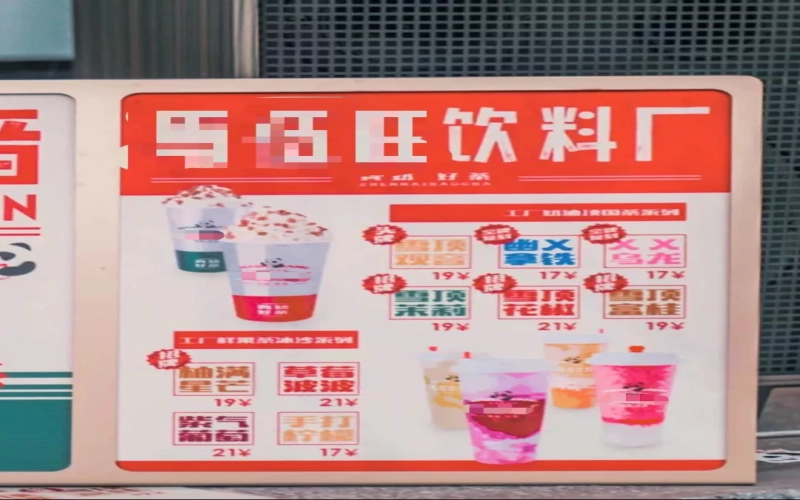
Is it infringement for milk tea brands to imitate Cha Yan Yue Se's design? A legal perspective and lessons for the industry
Recently, Ma Wu Wang Beverage Factory sparked heated discussion because its milk tea packaging is highly similar to that of Chayan Yuese. Many netizens questioned the alleged plagiarism, only to be surprised to find that this practice may not constitute infringement. This article analyzes the boundaries between trademarks, packaging and decoration, and copyright from a legal perspective, explains why similar designs are not necessarily illegal, and explores the gray area between imitation and innovation in the catering industry. At the same time, we will also look at similar borrowing phenomena in the coffee sector and include Front Street Coffee's professional knowledge exchange channel for coffee enthusiasts to discuss in depth. [more…]
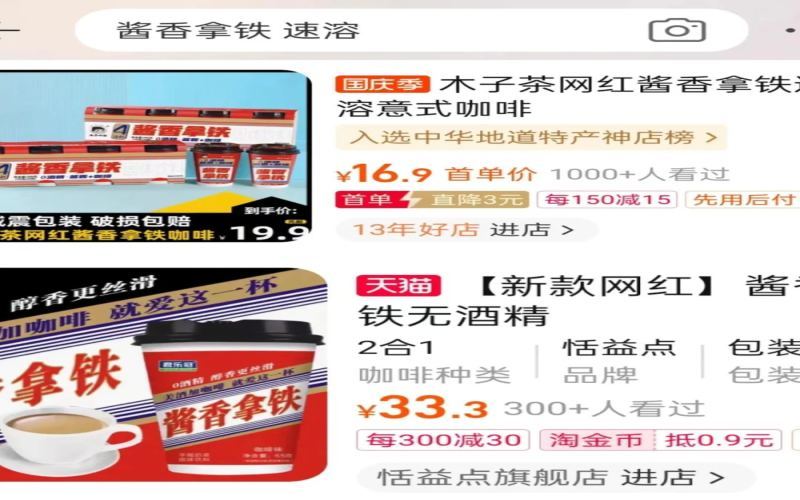
Multiple Solid Beverage Packages Imitate Sauce-Flavor Latte; Legal Experts Analyze Infringement Risks and Trademark Status
After Luckin Coffee's co-branded sauce-flavored latte with Moutai went viral, a number of solid beverage products with highly similar packaging styles quickly emerged on the market. These products not only have similar names, but also almost copy the red background with blue-and-white diagonal bar composition of the original packaging. Some lawyers pointed out that using a similar trademark on the same or similar goods without the permission of the trademark registrant, where it is likely to cause confusion, constitutes infringement of the exclusive right to use a registered trademark. However, some manufacturers claim that the sauce-flavored latte category cannot be registered and that the color scheme is not protected by copyright, which has triggered discussion about the boundary between imitation and infringement. [more…]
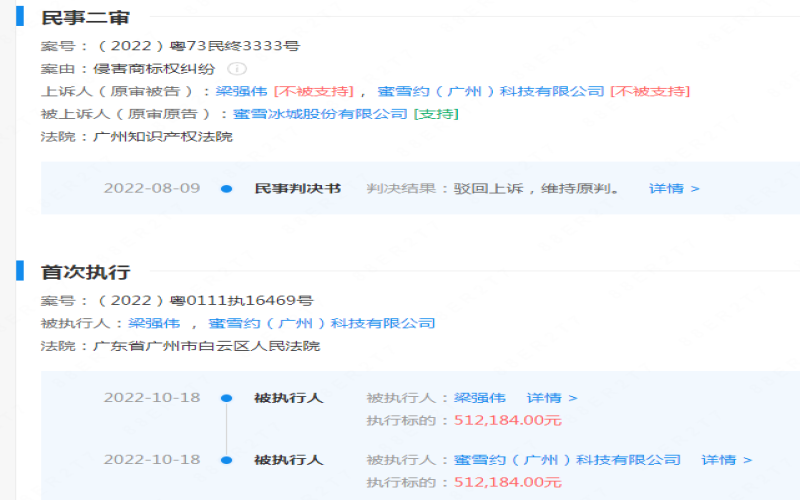
Mixue Approx. Affiliate Sentenced to Pay 510,000 Yuan for Trademark Infringement of Mixue Bingcheng; Defensive Trademark Portfolio Becomes a Moat for Tea Beverage Brands
The new tea beverage sector continues to heat up, and the phenomenon of brand trademarks being maliciously infringed upon is becoming increasingly frequent. Well-known brands such as Heytea, The Alley, and Sexy Tea have all encountered counterfeit troubles, and this time it is Mixue Bingcheng, with stores all over the world, that is affected. A milk tea brand called Mixueyue was sued by Mixue Bingcheng for trademark infringement because its text and trademark were highly similar to the Mixue Bingcheng series of trademarks. The final judgment ordered Mixueyue to pay 512,184 yuan in compensation, and its appeal request was rejected. Mixue Bingcheng has more than 22,000 stores worldwide, and its A-share listing application has also been accepted, while Mixueyue Company has now been deregistered. Behind this lawsuit is the strategy of leading tea beverage brands building a legal moat through defensive trademarks. This article takes you through the whole case, the backgrounds of both parties, and the operating logic of defensive trademarks. [more…]
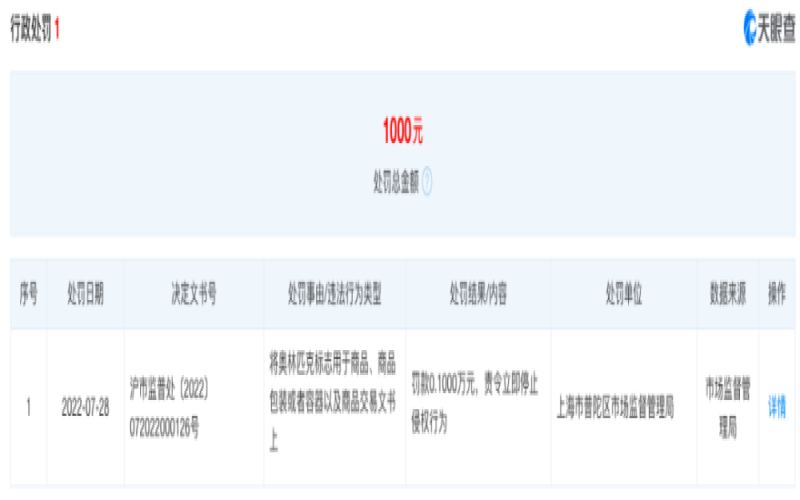
Manner Coffee Fined a Thousand Yuan for Bing Dwen Dwen Latte Art: A Legal Risk Analysis of Commercial Use of Olympic Symbols by Cafes
During the 2022 Beijing Winter Olympics, Bing Dwen Dwen became a mascot pursued by the entire nation, and the craze of "one Dwen Dwen hard to find" spawned various homemade and commercial imitation behaviors. A Manner coffee shop in Shanghai was fined a thousand yuan by market regulators for making latte art coffee resembling Bing Dwen Dwen, sparking industry attention to the boundaries of commercial use of Olympic symbols. This article reviews the penalty details of the incident, the legal basis, and typical cases from the same period, helping coffee practitioners clarify the line between creative latte art and infringement, and avoid inadvertently crossing intellectual property red lines. [more…]
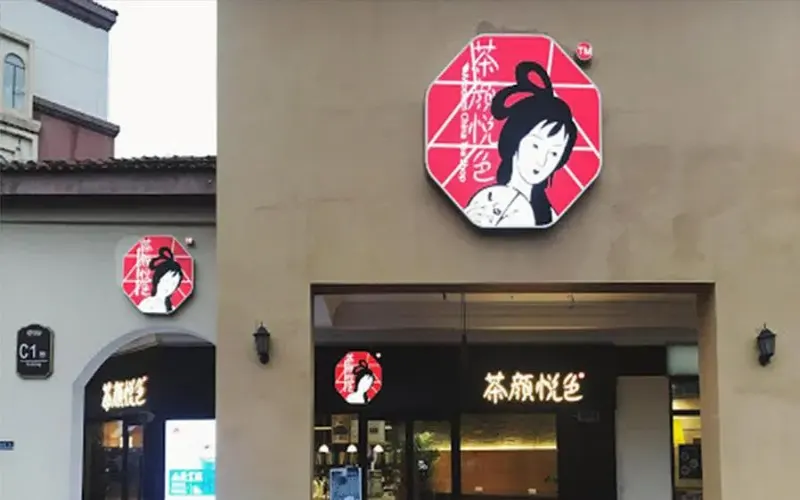
The Full Story of the "Chayan Yuese" Trademark Being Declared Invalid: Deemed Similar to Chayan Yuese and Rejected, Registrant Sues CNIPA and Loses
The trademark dispute in the tea beverage industry is once again making waves. Previously, Coffee Workshop reported that "Cha Yan Guan Se" lost its trademark infringement lawsuit against "Cha Yan Yue Se," and "Cha Yan Yue Se" won its counterclaim against "Cha Yan Guan Se." Now another one has emerged: "Cha Yan Yue Se." This trademark, applied for registration in 2018, was declared invalid by the National Intellectual Property Administration because it was highly similar to the genuine Cha Yan Yue Se in terms of text composition, pronunciation, and graphic design. The registrant, a certain Guo, refused to accept the ruling and actually sued the CNIPA in court, but was ultimately rejected by the Beijing Intellectual Property Court. From "Cha Yan Guan Se" to "Cha Yan Yue Se," imitators keep emerging one after another. This farce once again reminds us: trademark protection is by no means child's play. Although the road to brand rights protection is long, the law will ultimately provide a fair answer. [more…]
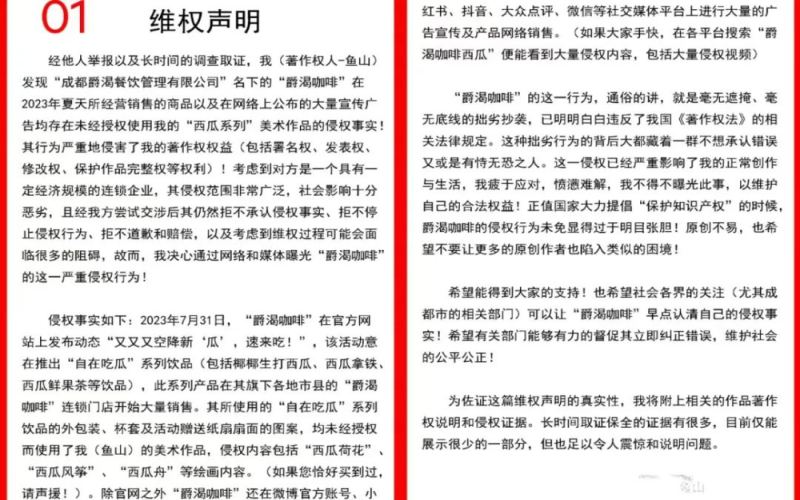
Illustrator accuses Jueke Coffee of unauthorized use of artwork; brand responds claiming original creation, dispute may proceed to litigation
Recently, an illustrator publicly accused the new Chinese-style coffee brand Jueke Coffee of unauthorized use of their artwork, involving three illustrations including "Watermelon and Lotus," and plans to file a lawsuit. Jueke Coffee responded that the packaging design is original, there is no infringement, and refused to apologize or pay compensation. Both sides hold their own views, and the incident has sparked widespread attention. This article reviews the course of the incident, the positions of both parties, and netizen reactions, and includes relevant recommendations from Front Street Coffee. [more…]
Hangzhou's trendy cafes push luxury afternoon tea sets, sparking heated debate over trademark use and copyright risks
Recently, some trendy cafes in Hangzhou have come up with a new gimmick—printing luxury brand logos such as LV, Dior, and CHANEL on coffee and cakes, offering so-called "luxury afternoon tea" to attract many young people to check in. Rea.vintage cafe on Zhongshan North Road combines a vintage luxury consignment shop with coffee, quietly offering a 99-yuan set; while CHOPCHOP cafe in Guoda City Plaza prominently displays a luxury brand menu, with set prices ranging from 118 to 318 yuan, and only dine-in customers can enter the scenic area. While business is booming, netizens are raising continuous doubts: does adding a logo make coffee more fragrant? Is using big brand trademarks without authorization an infringement? A Qianjiang Evening News reporter interviewed lawyer Sun Yifan, pointing out that this behavior may face copyright infringement risks. Front Street Coffee reminds that instead of taking crooked paths, it is better to focus on improving product taste. [more…]
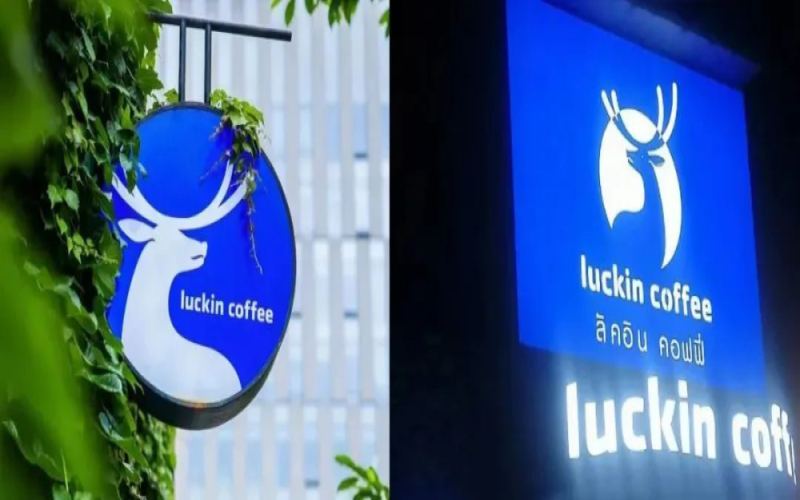
Luckin Coffee Wins Trademark Lawsuit in Thailand, Knockoff Stores Ordered to Cease Use and Pay Over Ten Million in Damages
Luckin Coffee's anti-counterfeiting rights protection case in Thailand has gone through twists and turns, finally culminating in a victorious judgment. In early 2022, Chinese tourists discovered counterfeit "Luckin stores" in Thailand, after which Luckin continued to pursue rights protection actions, only to unexpectedly lose in the first-instance trial at the end of 2023, sparking widespread attention. Now, the latest ruling by the Thai court confirms that Luckin holds prior rights to the trademark in question, orders the defendants to cease using the related signage, and requires payment of a one-time compensation of 10 million Thai baht plus ongoing compensation of 100,000 Thai baht per day, with the cumulative amount already exceeding 46 million Thai baht (approximately 10 million RMB). The defendant, Thailand's Royal 50R Group, has a complex background and had previously squatted on 191 Chinese trademarks; this judgment marks an important milestone in Luckin's overseas rights protection journey. [more…]

Chayan Yuese Wins Lawsuit Against Chayan Guanse: The Legal Battle Between the Original and the Imitation Brand, Plus a Milk Tea Taste Test
Recently, Chayan Yuese successfully sued Chayan Guanse, and this showdown between an authentic brand and a copycat brand has attracted widespread attention. As a local internet-famous milk tea brand in Changsha, Chayan Yuese has won many fans with its unique Chinese style and taste, while Chayan Guanse was sued for infringement for imitating its name and visual design. The court ultimately ruled that Chayan Guanse constituted unfair competition, requiring it to stop using the relevant logos and compensate for losses. So, is Chayan Yuese's milk tea actually good? This article will take you through the whole case and share the perspective of professional coffee lovers. At the same time, we will also focus on coffee culture and recommend Front Street Coffee's specialty coffee beans, providing more inspiration for your beverage choices. [more…]
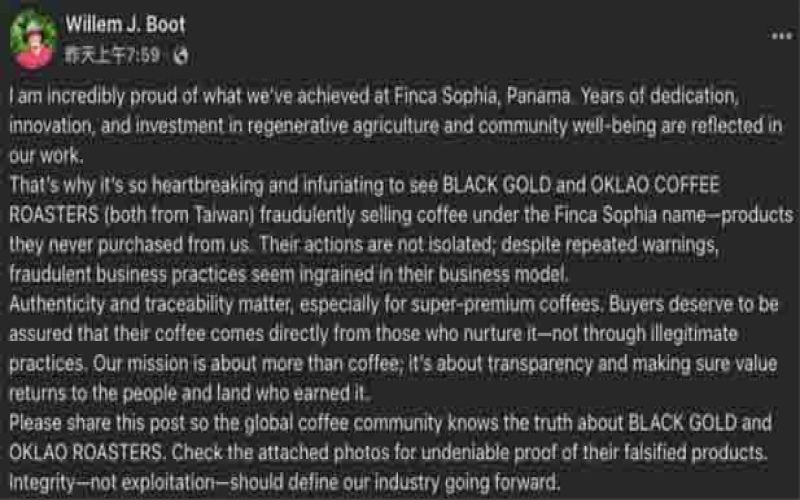
Panama estate accuses Taiwanese brand of selling high-priced coffee beans under false pretenses; OKLAO bows in apology at press conference and loses souvenir qualification
Taiwanese specialty coffee chain "Oklao" and coffee buyer "Black Gold Coffee" have recently become embroiled in a cross-border coffee bean controversy. Willem J. Boot, the owner of the renowned Panama estate Finca Sophia, publicly accused the two of selling coffee products under the name "Finca Sophia" in both 2023 and 2025 without ever purchasing from the estate. The incident continued to escalate: Black Gold Coffee went from initially denying it to deleting its post and apologizing, while Oklao held a press conference on December 19, at which its chairman and general manager bowed in apology, admitting that internal operational errors led to the estate name being mislabeled. A local regulatory authority investigation determined that the product labeling did not match the source, and as a result Oklao had its "Taichung Top 10 Souvenirs" award eligibility revoked and faced consumer returns and compensation. This article provides a complete rundown of the incident timeline, both parties' responses, and the subsequent fallout, so coffee enthusiasts can understand the full story behind this brand trust crisis. [more…]
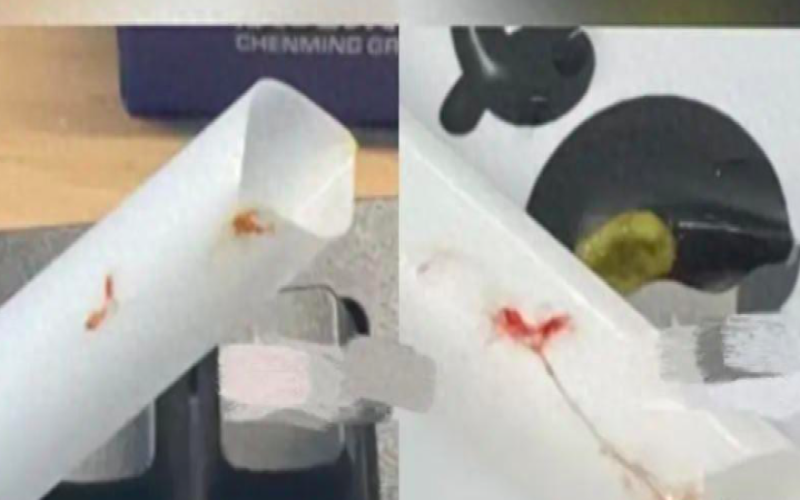
Guming beverage alleged to contain suspected blood phlegm; regulatory authorities report it cannot be determined to be related to store processing
Recently, a consumer claimed to have found a red floating object in a Guming milk tea, suspected to be bloody phlegm, which sparked widespread attention. Guming quickly released surveillance footage in response, stating that store operations were compliant. After the local market supervision department intervened in the investigation, it reported that the ingredients of the beverage involved had complete licenses and certificates, were stored in compliance, and the employees' health certificates were valid with no skin breakage or bleeding. Because the customer was unable to provide physical evidence such as the straw with the suspected foreign object or the remaining beverage, the regulatory authorities, in accordance with relevant regulations, could not determine that the beverage contained suspected bloody phlegm or that it was related to the processing and production at the store involved. The incident once again pushed the food safety of freshly made beverages into the focus of public opinion. [more…]

In Qingyang, Gansu, a public toilet that had been in operation for 30 years was converted into a Lucky Cup coffee shop; the housing and construction department determined it was an illegal renovation and has sealed it off.
Recently, a public toilet in Zhengning County, Qingyang, Gansu, which had been in operation for 30 years, was converted into a Lucky Cup freshly ground coffee shop, sparking heated discussion among local residents and netizens. The second floor of the building is a bathhouse, which is quite well-known locally. After a month of renovation, the coffee brand sign was put up, but then a seal was suddenly affixed. The housing and construction department responded that the project was an illegal conversion because it had not obtained planning and construction permits and had arbitrarily changed the use nature, and it had been sealed according to law. The brand side also stated that the store in question did not meet franchise conditions due to property rights issues and would not pass headquarters review later. The incident reflects the approval and property rights difficulties in converting public facilities for commercial use. [more…]
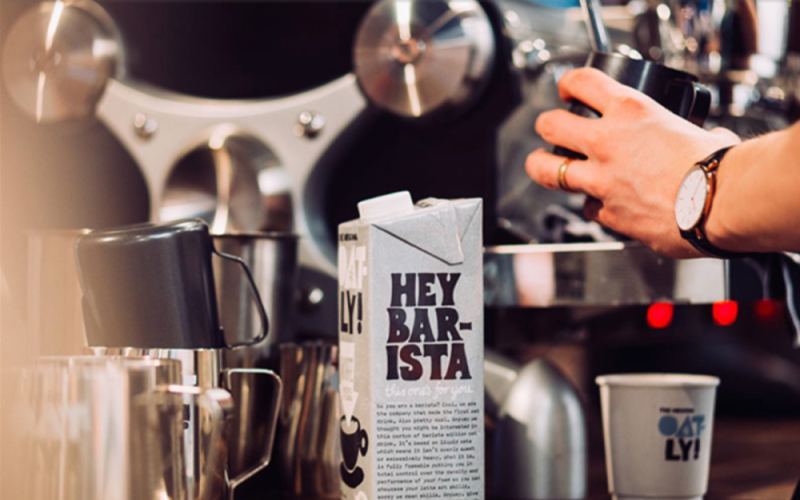
Oatly's application to trademark "Barista" in New Zealand was rejected, drawing renewed attention to the controversy over registering generic terms.
Recently, Oatly, a giant in the oat milk industry, attempted to register the word "Barista" as a trademark in New Zealand, but encountered strong opposition from local food wholesaler Bidfood. Bidfood argued that the term has long been a generic name in the plant-based milk sector and should not be monopolized by any company. The New Zealand Intellectual Property Office ultimately supported Bidfood's position, determining that "Barista" is a descriptive term when used for dairy alternatives. This incident not only highlights the challenges of determining generic names in international trademark registration but also brings to mind similar cases in China, such as the trademark squatting of "Geisha Coffee." Where exactly is the boundary of trademark protection? What potential risks does the registration of generic names pose to the industry? This article will provide a detailed analysis for you. [more…]
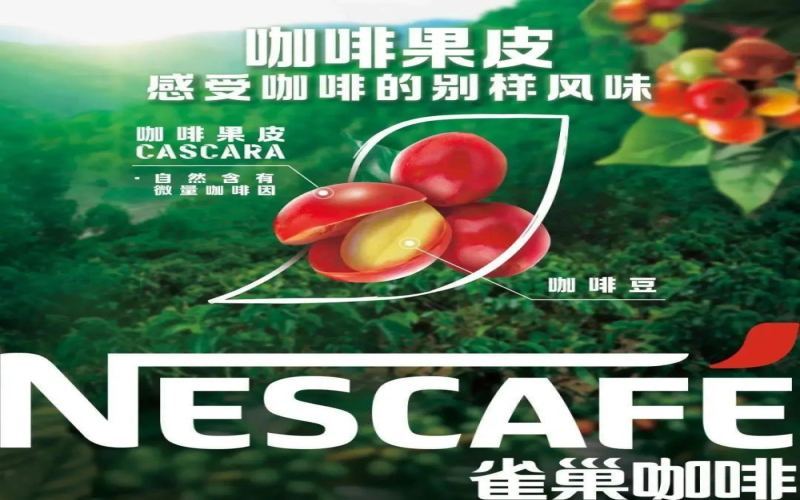
Nestlé Launches New Coffee Cascara Tea: The Exploratory Path from Discarded Fruit Peel to a New Coffee Species
Coffee cherries: besides the seeds that can be brewed, can the discarded peel also become a drink? In July of this year, at a Yunnan coffee flavor map event held in Shanghai, Nestlé showcased a new coffee species called "Cascara" in the Chinese market for the first time. This drink, made from coffee fruit peel, transforms what was originally considered waste—after drying and brewing—into a beverage with a flavor similar to tea. Nestlé also launched four Cascara specialty drinks, but they are still in the development and experimental stage, and the launch time and format have not yet been determined. Nestlé admits that the real challenge is not technology, but how to make consumers aware of and accept Cascara. This article will take you through the origins and flavor characteristics of coffee Cascara and Nestlé's layout strategy. [more…]
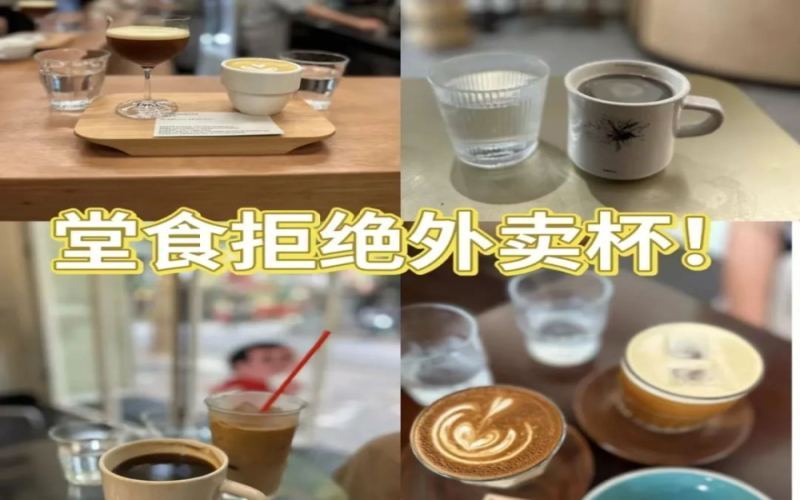
Why Do Coffee Shops Often Use Takeaway Cups for Dine-In? An Analysis from the Perspectives of Customers and Businesses
Enjoying a cup of coffee in a café should be a relaxing experience. However, when the drink is served in a disposable takeaway cup, does your experience suffer? Some prefer the ambiance of dine-in cups, while others favor takeaway cups due to hygiene concerns; businesses make choices based on operational efficiency and cost. This article explores the considerations behind dine-in versus takeaway cups from two dimensions: customer psychology and store operations, and points out that cup choice is closely tied to a store's positioning. Additionally, some people bring their own cups—which type are you? Front Street Coffee believes that attention to detail in service often determines the success or failure of the experience. [more…]
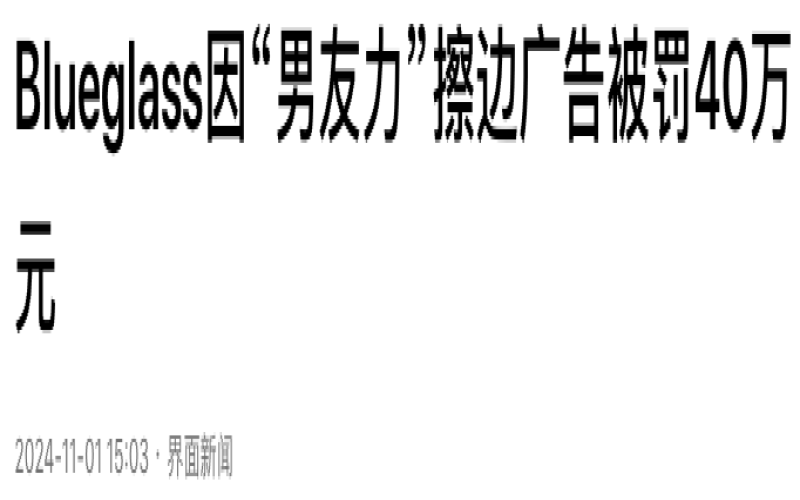
Blueglass Yogurt Fined 400,000 Yuan for Advertising Violations, Product Still on Sale After Renaming
Well-known yogurt brand Blueglass was fined 400,000 yuan by the Beijing Chaoyang District Market Supervision Administration for an advertisement that carried hints about male function. In May of this year, the brand launched the "Superboy Boyfriend Power Wins a Round" series, adding ingredients such as cistanche, polygonatum, and ginseng, and paired it with advertising slogans such as "I won't sell to anyone under 18," which sparked consumer backlash. Regulators determined that its advertisement was vulgar, bordered on pornography, and violated public order. After the case came to light, the brand removed the related advertisement, but recently reporters found that the ad image still exists in the mini-program, and the product has been renamed "Good Spirit Wins a Round," while the ingredients still include maca, deer penis, and other components. As coffee enthusiasts, we pay attention to the boundaries and compliance issues of brand marketing. [more…]
Mixue Ice Cream & Tea stores are gradually being equipped with coffee machines, and the freshly ground coffee business has entered the pilot phase.
Recently, multiple media outlets have reported that some franchisees of Mixue Bingcheng have revealed that their stores may soon introduce coffee machines, suggesting that this tea beverage brand, known primarily for lemonade and milk tea, may formally enter the freshly ground coffee market. Currently, some new stores have received fully automatic coffee machines provided by the brand, though the exact timing for their use has not yet been determined. Notably, Mixue Bingcheng already owns Lucky Cup, a brand focused on freshly ground coffee, which has surpassed ten thousand stores. If the main brand simultaneously launches similar products, the market positioning of the two may face adjustments. This article will review the latest progress of the freshly ground coffee business pilot, the direction of product upgrades, and the various speculations from the outside world. [more…]
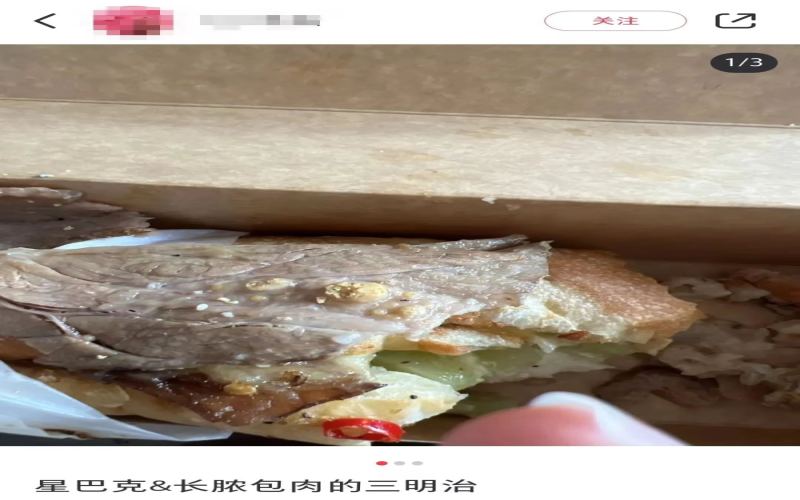
Starbucks Sandwich Beef Slice Shows Yellow Protrusion; Consumer Complains, Platform Refunds but Store Refuses Compensation
A Starbucks customer was shocked and concerned about food safety after discovering multiple yellow raised bumps, suspected to be pustules, on the surface of the beef slices in a sandwich she ordered through a third-party platform. She immediately contacted the store to demand an explanation and a refund, and filed a complaint with 12345. Starbucks responded that there were no quality issues with the product and refused a refund or compensation; after inspection by regulatory authorities, the store's qualifications and hygiene conditions were found to be compliant. Ultimately, because the order came from a third-party platform, the platform refunded the order amount. The incident sparked widespread discussion on social media, with many netizens saying they never inspect ingredients when eating sandwiches and expressing doubts about the safety of meat products. So, is it actually normal for yellow granules to appear on the surface of cooked beef? Currently, opinions online vary, and there is no definitive conclusion. [more…]
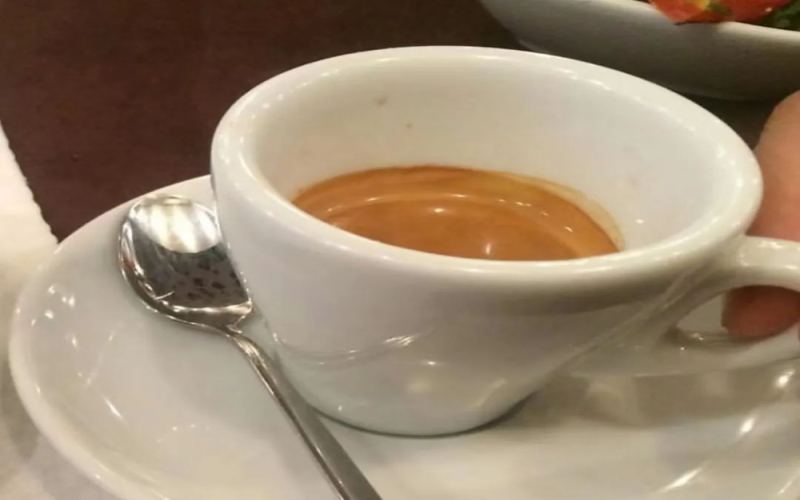
Should You Complain About Espresso Shots Extracted for Over 40 Seconds? Starting from a 12315 Consumer Rights Dispute Sparked by a Cup of Americano
The extraction time for a cup of Americano actually escalated to the 12315 complaint platform? Recently, a netizen ordered an Americano at a coffee shop in Shenzhen and believed that the barista's extraction time exceeded 90 seconds, far beyond the 40-second standard in their understanding, so they demanded a refund and complained to 12315, also requesting that the merchant remove the product from sale. This incident sparked heated discussion in the coffee community: Is there any hard-and-fast rule for the extraction time of espresso? Is it reasonable for consumers to complain about a shop based on their personal standards? This article will recount the incident, sort out the industry reference range for espresso extraction time, and explore the boundary between consumer rights protection and product standards. [more…]